Chaudhries of Kala:
Kala is located four miles northwest of the Jhelum district headquarters. The predominant population consists of the Gujjar tribe. Chaudhri Sulaiman Gujjar (Paswal) is recognised as the original founder who established the town during the Mughal era, with most Gujjar residents being descendants of his lineage. During the reign of Mughal Emperor Shah Alam I (Bahadur Shah I), his son Chaudhri Abdul Rahim Khan (Paswal) was appointed governor of 84 villages (chaurasi) in Jhelum, leading to the area being known as Gujjar Chaurasi. Additionally, he constructed a fort at Baraki, situated between Dhman and Ghori Gala.
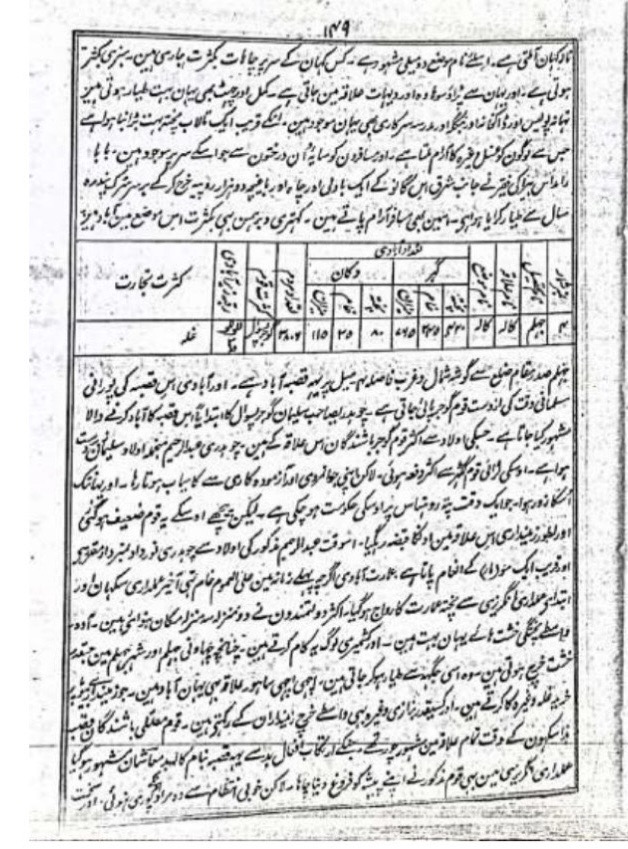
Chaudhri Abdul Rahim consistently achieved victories over rival tribes due to his bravery and skill, resulting in an augmentation of his power and influence within the region. By the late 1760s to early 1770s, he had gradually gained control over the 14 tappas of Rohtas district.
"Chaudhri Abdul Rahim forged a letter in Raja Himmat Khan’s name, offering to help the Sikhs capture the Rohtas Fort by opening a gate from inside. The messenger was caught and handed to Nawab Sarbuland Khan, who, suspecting betrayal, lost trust in his allies and had the Chaudhari Rahmat Khan of Jalalpur, Chaudhari Allahdad Khan of Dinga, and Himmat Khan Gakhar executed." - Tazkira-e-Jhelum
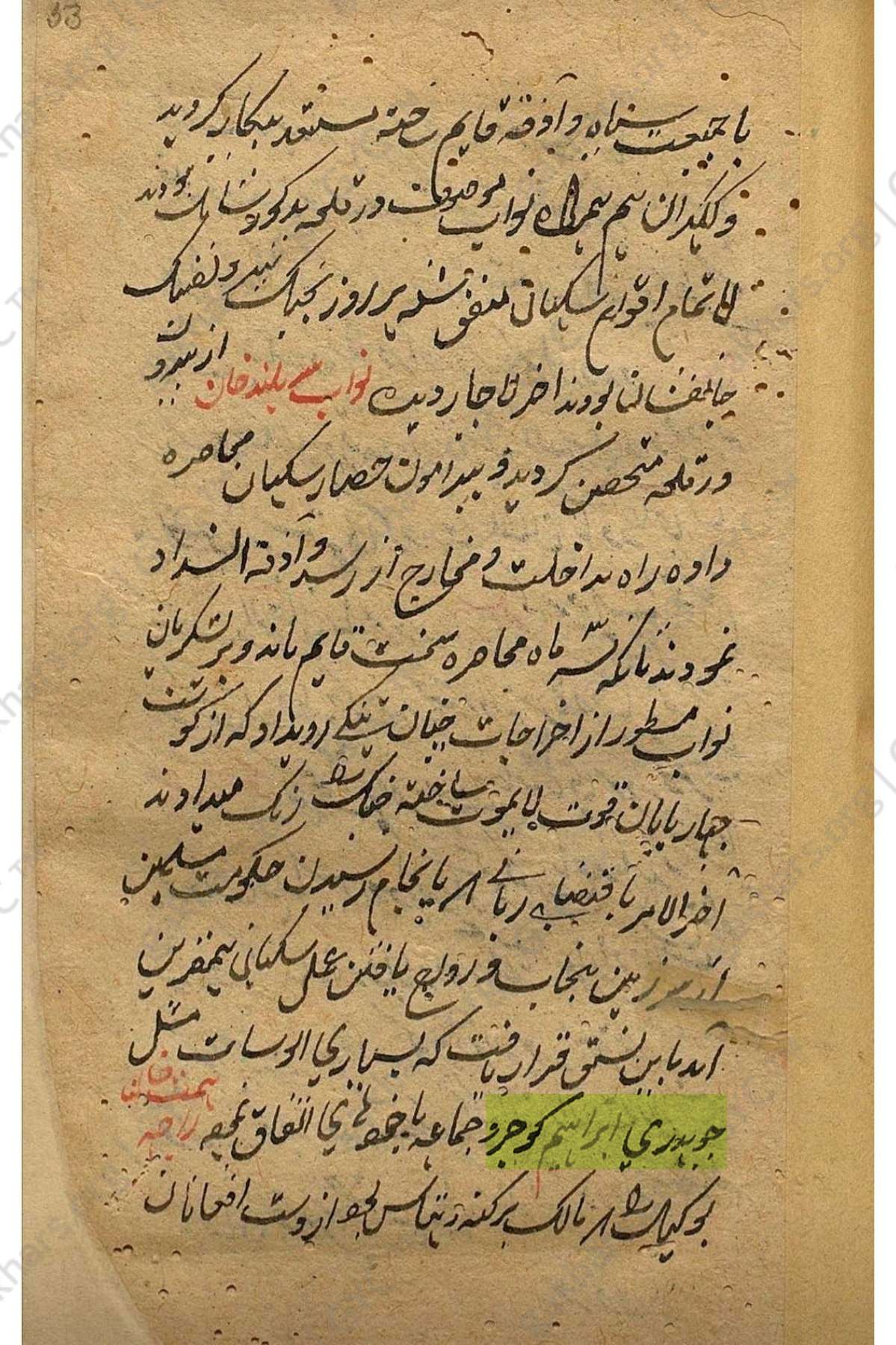
"Many clans and tribes such as Chaudhari Abdul Rahim Gujjar (highlighted in green) and others—allied together to uproot [the opposing forces] and wrest control out of the hands of the Afghans." - Kaigoharnama, Authored in Persian by Divan Dunichand (who died in 1743)
Following the fall of Rohtas Fort, Chaudhri Abdul Rahim was appointed as its ruler. During Zaman Shah’s invasion of Punjab, Abdul Rahim, along with the Sikh army, abandoned Rohtas Fort, resulting in the area reverting to the control of the Bagyal Gakhars. Upon Chaudhri Abdul Rahim’s death, his son Qadir Bakhsh assumed control of Kala during the Sikh era. Following Qadir Bakhsh’s demise, Kam Bakhsh succeeded him. Chaudhri Kam Bakhsh was renowned for his justice, nobility, piety, and compassion towards all. After his death, Ranjit Singh conferred Kala as a jagir upon Rani Sada Kaur, marking the cessation of the Chaudhris of Kala’s influence.
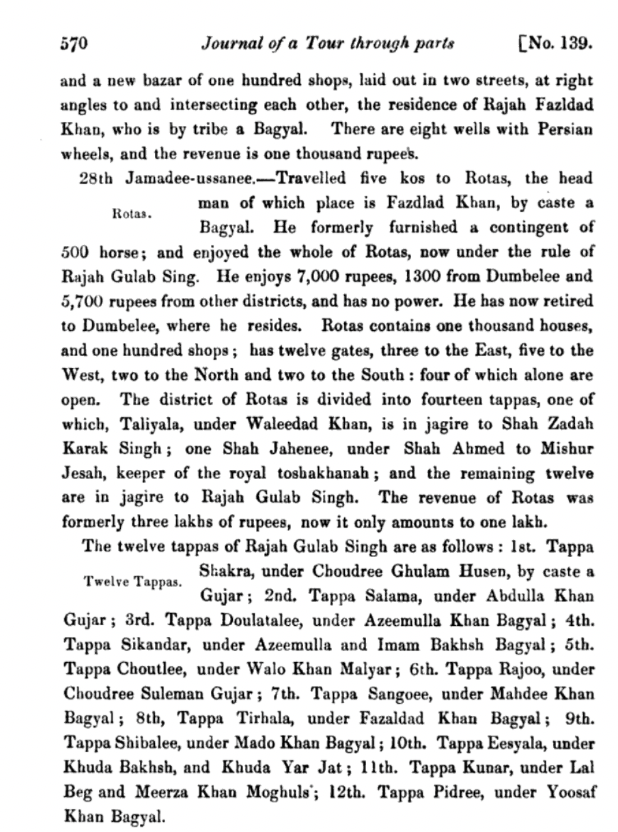
During the early 1800s, under the reign of Ranjit Singh, three of the fourteen tappas of Rohtas district were governed by various descendants of the Kala Chaudhries. These tappas included:
- Tappa Shakra, administered by Chaudhri Ghulam Hussain, a Gujjar
- Tappa Salama, overseen by Abdullah Khan Gujjar
- Tappa Rajoo, managed by Chaudhri Suleman Gujjar
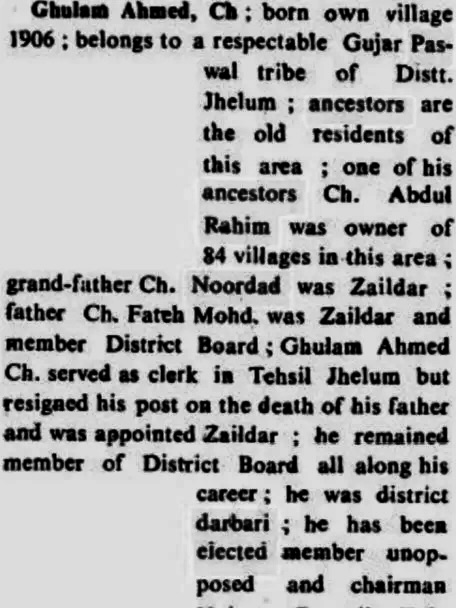
Chulam Ahmed, Ch, born in his village, belonged to a respected Gujjar Paswal tribe in Jhelum District. His ancestors, including Ch. Abdul Rahim, owned 84 villages in the area. His grandfather, Ch. Noordad, was a Zaildar, and his father, Ch. Fateh Mohd., was also a Zaildar and a member of the District Board. Gulam Ahmed Ch. served as a clerk in Tehsil Jhelum before resigning to become a Zaildar. He remained a member of the District Board throughout his career and served as a district darbari, being elected unopposed and later becoming chairman. - Biographical Encyclopedia of Pakistan
Sources:
Tarikh-i Jhelum
Tazkira-i Jhelum
Jhelum gazetteer
Kaygawharnama
Biographical Encyclopedia of Pakistan
Journal of a Tour through parts of the Punjab and Afghanistan" (by Shahamat Ali)